

Challenges of globalization
While modern connectivity fosters communication and economic integration, the global thirst for mineral resources reveals profound systemic costs. A critical examination of technological expansion and extraction in the Democratic Republic of Congo shows both the promise and the peril of an interconnected world.

Resource extraction and human costs
According to Cao, Sharmina, and Cuéllar-Franca (2024), approximately 56% of global cobalt reserves are located in the Democratic Republic of Congo, making the country increasingly important to global technology and electric vehicle industries. However, the authors also discuss environmental concerns, unsafe working conditions, and human rights issues associated with mining activities.

Conflict minerals and regulatory limits
According to Conflict Minerals: Peace and Security in Democratic Republic of the Congo Have Not Improved with SEC Disclosure Rule, the trade of conflict minerals continues to contribute to violence in eastern Congo. The report found that although companies have improved reporting and supply-chain transparency, there is no evidence that the SEC conflict-minerals disclosure rule significantly reduced violence in the region. The report also notes that armed groups continue to compete for control of mineral-rich areas, especially gold mines.
This finding connects to the broader themes of Congo, Inc.. While Isookanga sees globalization and technology as opportunities for progress, the research shows that global demand for technology can also create economic and political challenges within the Democratic Republic of Congo.
These challenges demonstrate that globalization produces both benefits and costs. While technology and telecommunications create new opportunities, the global demand for minerals can also create economic, social, and political difficulties.
.
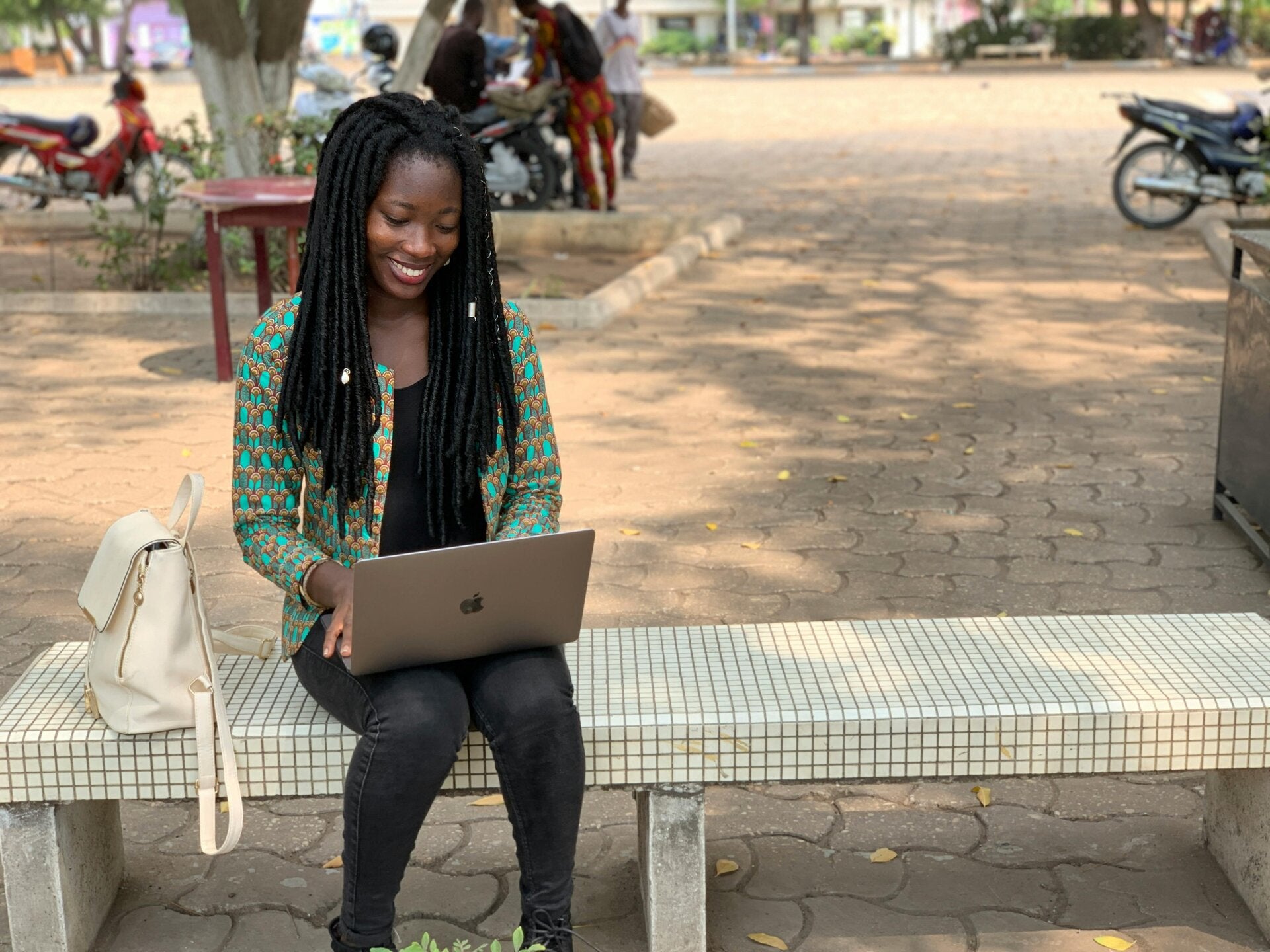
Narratives of connection in Congo, Inc.
In Congo Inc.: Bismarck's Testament, In Koli Jean Bofane uses the telecommunications tower and Isookanga's fascination with computers to demonstrate how globalization is transforming life in the Democratic Republic of Congo.
The novel shows how access to telecommunications can connect rural communities to the wider world. Research from the World Bank, the United Nations, academic scholars, and documentary evidence further demonstrates that the DRC is deeply connected to modern technology through both telecommunications infrastructure and mineral resources.
Ultimately, globalization has brought new opportunities for communication, education, and economic development. At the same time, it has created challenges related to resource extraction, inequality, and conflict. Through Isookanga's story, Congo, Inc. encourages readers to think critically about both the promises and the consequences of globalization.
Create Your Own Website With Webador